Free Shipping for Sample Formulation Worldwide!
Unlock radiant skin by learning the secrets to a healthy microbiome support@bioearthskinlabs.com
Enhance Your Skin’s Microbiome with Bioactive Ingredients
"Your skin is more than a surface — it’s a living ecosystem. At Bio Earth Skin Labs, we honor its complexity by nurturing the microbiome that protects it."
"Our formulas are powered by bioactives — ingredients that support beneficial bacteria, calm inflammation, and restore your skin’s natural harmony."
Bioactive ingredients play a crucial role in enhancing the efficacy of cosmetic products. These ingredients, often derived from natural sources such as plants, marine organisms, or biotechnology, possess specific biological activities that can target various skin concerns. They work by interacting with the skin’s cells and tissues to promote beneficial effects.
For instance, antioxidants like vitamin C or green tea extract help to neutralize free radicals, reducing oxidative stress and preventing premature aging. Peptides, another popular bioactive, stimulate collagen production, improving skin elasticity and reducing the appearance of fine lines and wrinkles. Hyaluronic acid, known for its hydrating properties, can boost moisture retention, leading to plumper, more supple skin.
Additionally, bioactive ingredients such as niacinamide can improve skin tone and texture by reducing inflammation and hyperpigmentation. Enzymes like papain or bromelain offer gentle exfoliation, aiding in the removal of dead skin cells and promoting a brighter complexion. By incorporating these dynamic components, cosmetic formulations can address a wide range of skincare needs, delivering targeted and effective results for healthier, more radiant skin.
"From cleansers to serums, every product is crafted to enhance your skin’s resilience and radiance — because true beauty begins within."
"Bio Earth Skin Labs — where science meets nature to empower your skin’s microbiome. Discover the ritual. Feel the transformation."
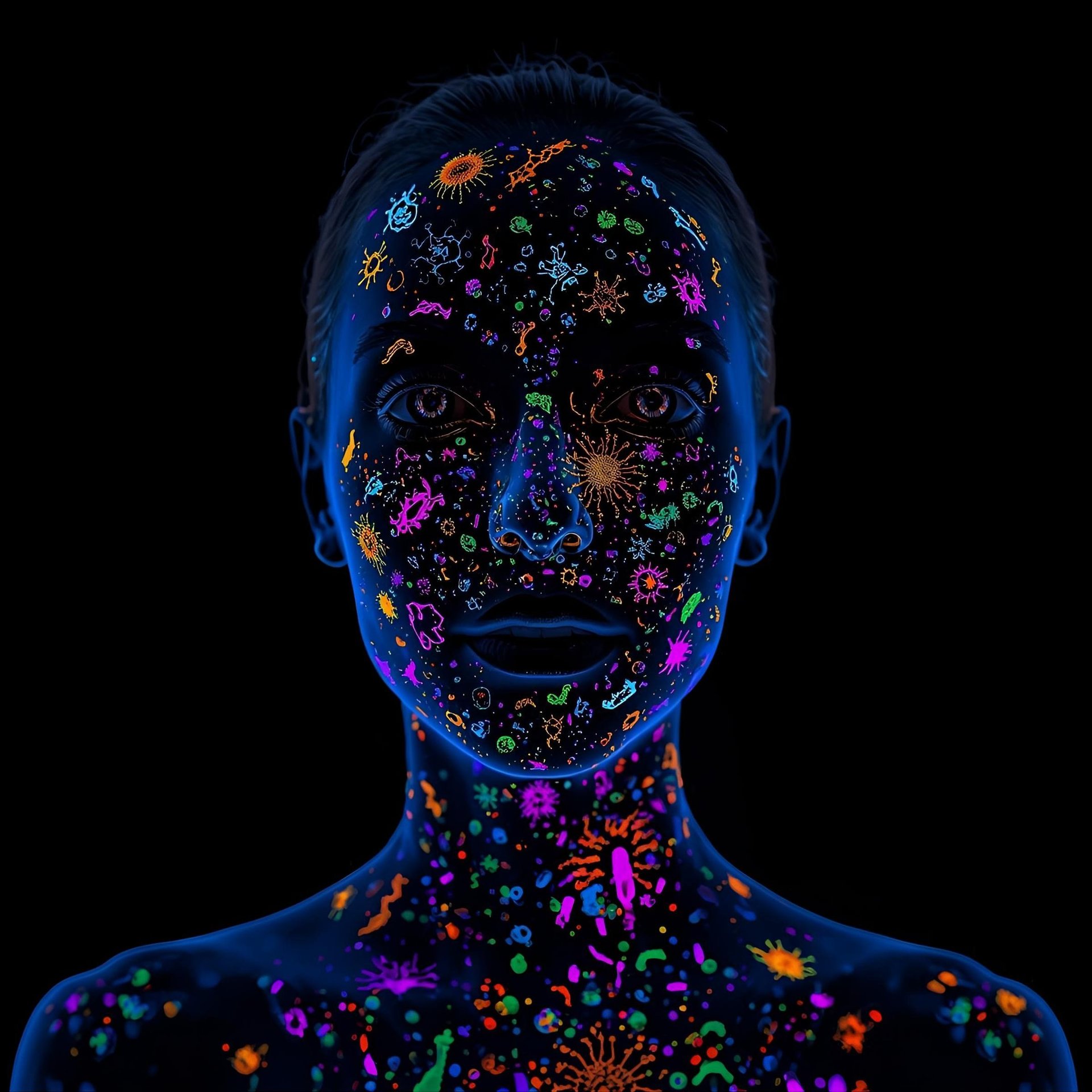
Bioactive ingredients:
Compounds that have a measurable effect on living tissues, cells, or systems. Unlike essential nutrients (like protein or carbohydrates), bioactives aren’t required for survival—but they can influence health, mood, immunity, and even cellular repair in powerful ways.
🧬 What Makes an Ingredient “Bioactive”?
It interacts with biological systems (e.g., cells, enzymes, receptors)
It triggers a physiological response—beneficial or harmful, depending on dose and context
It’s often found in food, supplements, skincare, or pharmaceuticals
🌿 Common Types of Bioactive Ingredients
Category Examples Known Effects Vitamins Vitamin C, D, E Immunity, bone health, antioxidant support Minerals Magnesium, Calcium Muscle function, stress modulation Polyphenols Green tea catechins, resveratrol Anti-inflammatory, heart health Flavonoids Quercetin, anthocyanins Antioxidant, anti-aging Peptides Collagen peptides, milk peptides Skin repair, cellular communication Phytonutrients Carotenoids, glucosinolates Detoxification, eye health, hormonal balance.
🧠 Mechanisms of Action (Peptide Example)
Bioactive peptides are classified into:
Signal peptides: stimulate fibroblasts to produce collagen
Carrier peptides: deliver trace elements like copper for healing
Enzyme-inhibitory peptides: block enzymes that degrade the skin matrix
Neurotransmitter-inhibitory peptides: soften expression lines by modulating muscle contraction
🌍 Why They Matter in Formulation Strategy
Efficacy: They justify premium positioning and clinical claims
Compliance: Their mechanisms guide regulatory language
Emotion: They anchor sensory demos and naming systems
Education: They empower retailers with science-backed storytelling.
🧪 In Skincare & Wellness
Bioactives are the bridge between sensory storytelling and scientific efficacy. Think:
Niacinamide for barrier repair and tone correction
Bakuchiol as a microbiome-safe retinol alternative
Magnesium for topical stress relief and muscle recovery
Seaweed extracts for hydration and antioxidant protection
They’re not just ingredients—they’re the emotional and functional anchors of your formulations.
Bioactive ingredients are the functional heartbeat of cosmetic formulations—they go beyond surface-level aesthetics to interact with skin biology in meaningful ways, they’re the bridge between clinical efficacy and emotional storytelling, transforming minimalist formats into luxury rituals.
🌿 What Bioactive Ingredients Do in Cosmetics
🔬 1. Trigger Cellular Responses
They interact with skin cells, enzymes, or receptors to:
Stimulate collagen production (e.g. peptides)
Inhibit melanin synthesis (e.g. niacinamide, arbutin)
Calm inflammation (e.g. chamomile flavonoids, bisabolol)
💧 2. Support Barrier Function
Bioactives like ceramides, panthenol, and niacinamide:
Reinforce the skin’s lipid matrix
Reduce transepidermal water loss
Improve resilience against environmental stressors
🧪 3. Deliver Targeted Benefits
Each bioactive has a specific mechanism of action, such as:
Antioxidants (e.g. resveratrol, vitamin C): neutralize free radicals
Enzyme inhibitors (e.g. peptides): slow down collagen breakdown
Neurotransmitter modulators: reduce expression lines by relaxing muscle tension
🌸 4. Enhance Sensory & Emotional Experience
They’re not just functional—they’re felt:
Magnesium: evokes calm and muscle release
Sea kelp: suggests oceanic hydration and purity
Bakuchiol: offers gentle renewal without irritation
Nourish
Harnessing Bioactive Ingredients for skin health.
Revitalize
Transform
support@bioearthskinlabs.com
P.O. Box 3008
Victoria Point West, QLD 4165
© 2025. All rights reserved.